- Start with the right gear – Choose a stable paddle board, properly sized paddle, PFD, leash, and optional accessories like water shoes and sun protection to make learning safer and easier.
- Learn to stand up properly – Begin in shallow water, use your hands for balance, place your feet shoulder-width apart, bend your knees slightly, and focus on the horizon.
- Master basic paddle techniques – Forward and reverse strokes, turning with sweep strokes, and stopping efficiently are essential for navigating safely and confidently.
- Focus on balance and core engagement – Keep knees slightly bent, distribute weight evenly, use your core muscles, and practice on your knees if needed to build stability.
- Understand water conditions and safety – Adapt techniques for lakes, rivers, and oceans, wear a leash and PFD, check weather, stay hydrated, and always inform someone of your location.
- Practice, endurance, and strength – Start with short sessions 2–3 times per week, engage core and leg muscles, and gradually increase duration and difficulty to improve fitness and skill.
- Maintain equipment and make it fun – Rinse and store your board properly, explore new locations, try SUP yoga or challenges, and avoid common mistakes like using only arms or rushing progression.
Paddle boarding is one of the most relaxing and rewarding water activities you can try. Whether you’re seeking a new way to exercise, enjoy nature, or just have fun on the water, learning how to paddle board is easier than it looks. In this guide, we’ll cover everything beginners need to know—from picking the right board to mastering balance and safety tips—so you can hit the water with confidence.
What Is Paddle Boarding and Why Is It Popular?
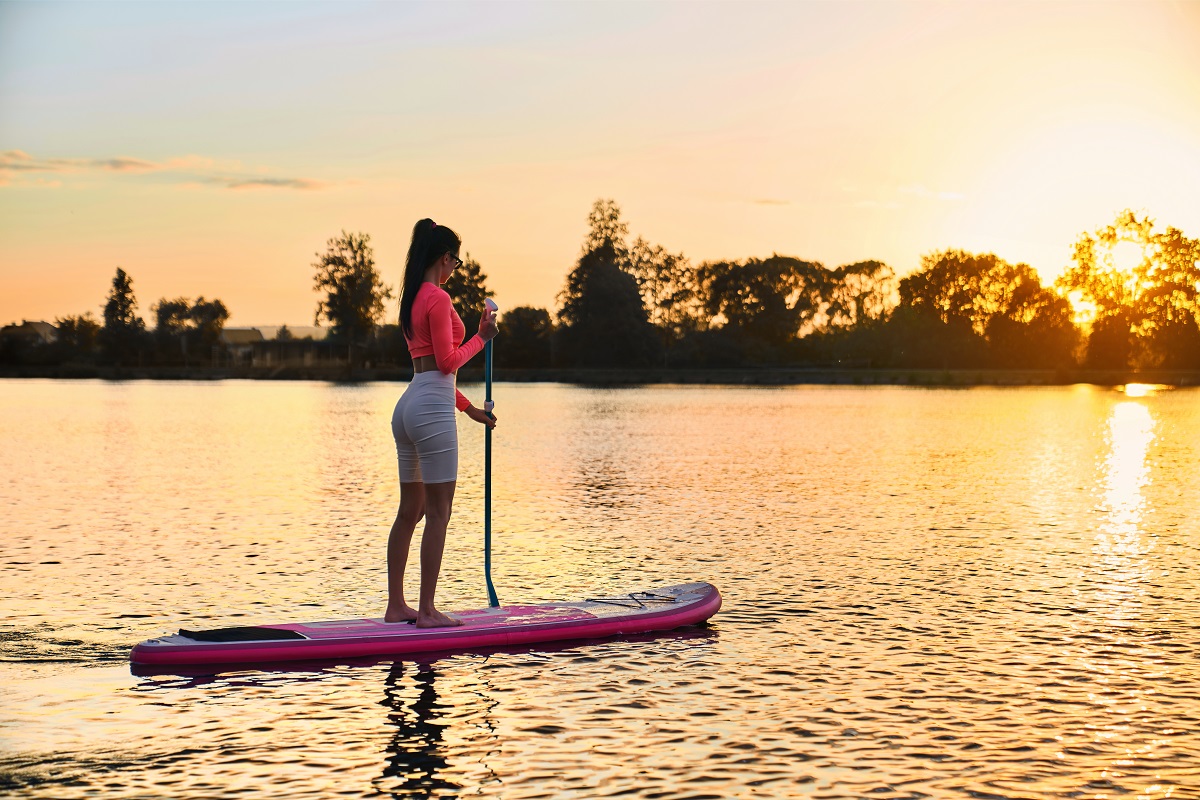
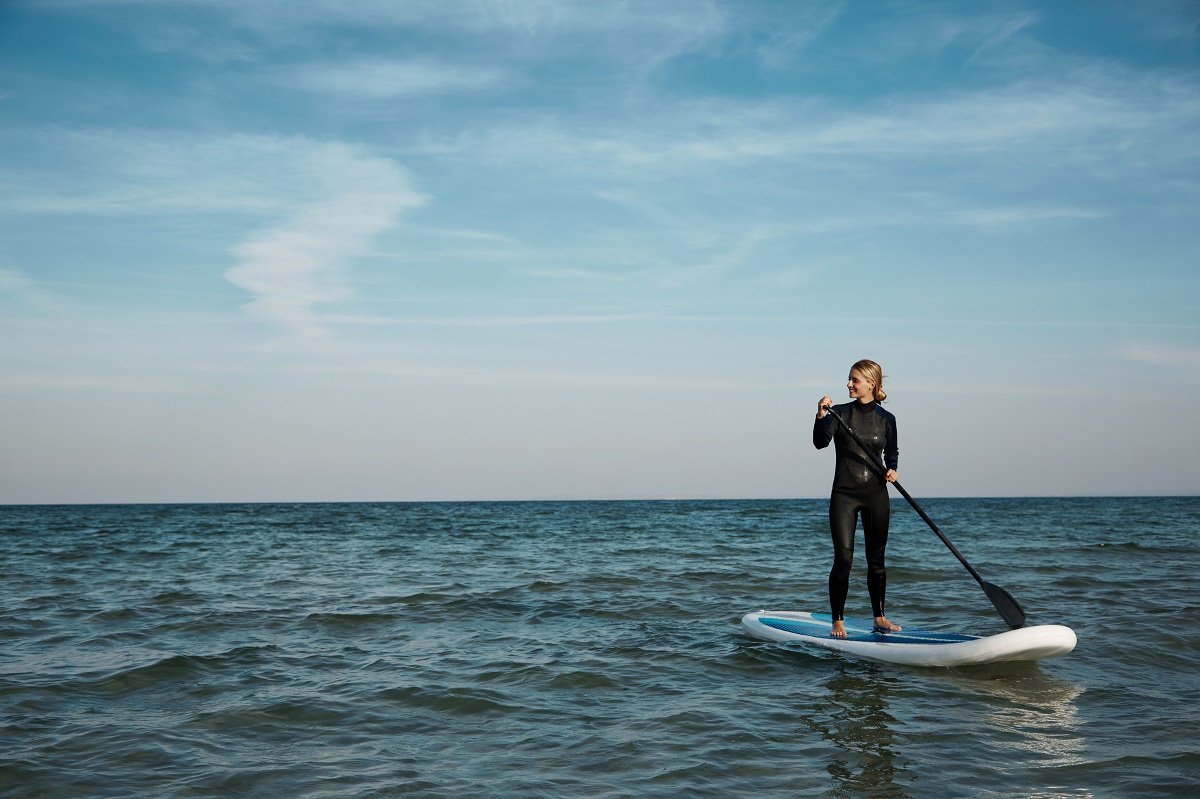
Stand-up paddle boarding (SUP) involves standing on a large board and using a paddle to move across the water. It has gained popularity for several reasons:
- Accessible to all ages and skill levels
- Offers a full-body workout, especially for core and legs
- Allows you to explore lakes, rivers, and oceans at your own pace
- Combines adventure with relaxation, making it perfect for stress relief
The appeal is clear: whether you’re looking for fitness, adventure, or a calm escape, paddle boarding delivers.
What Equipment Do You Need to Get Started?
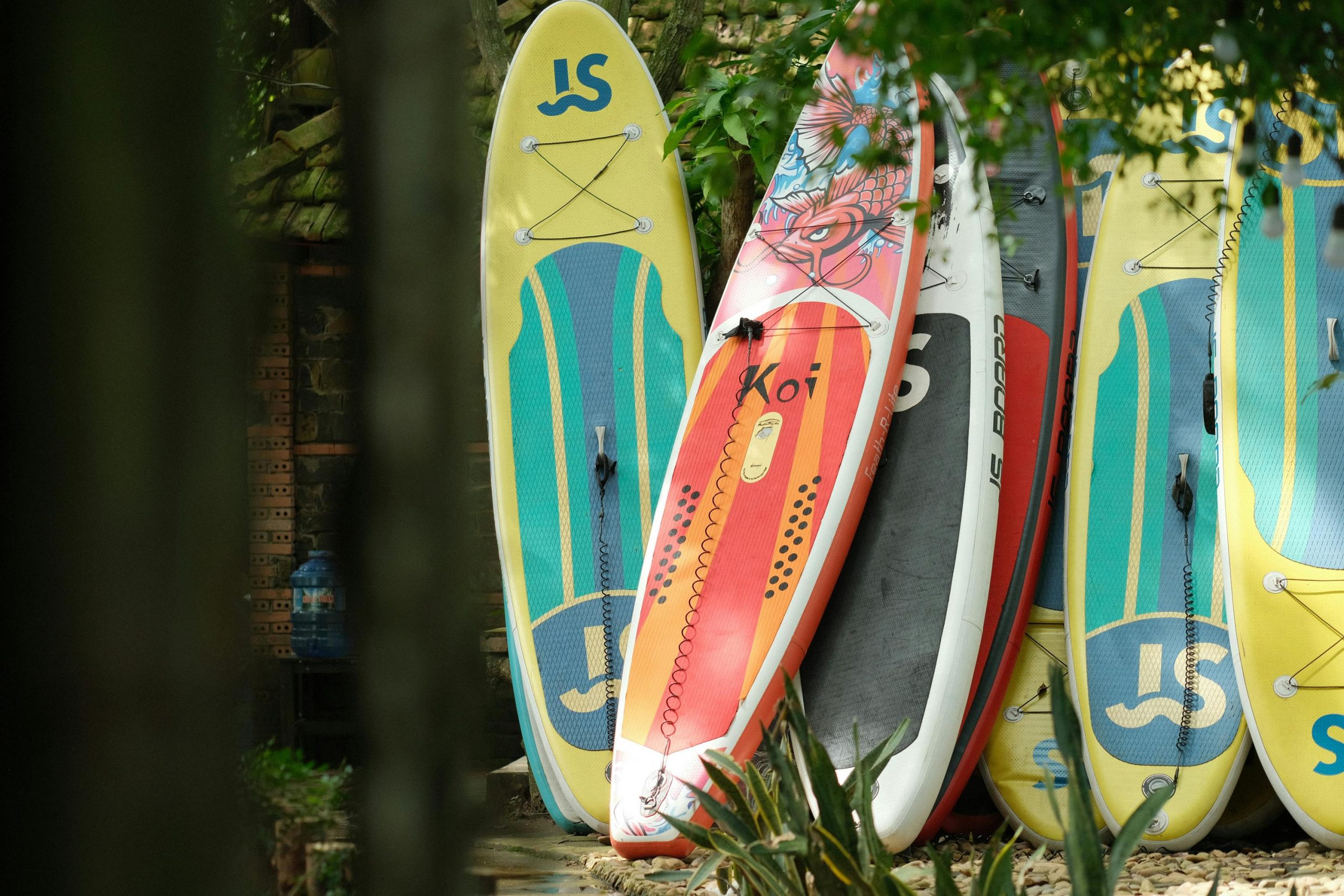
Before you step on the water, having the right equipment can make learning how to paddle board safer, easier, and more enjoyable. Here’s a breakdown of what every beginner should have, along with tips for choosing the best options.
Paddle Board
Choosing the right board is the first step to success. Not all boards are created equal, and beginners benefit from boards designed for stability and balance.
- All-around boards are perfect for beginners because they provide a wide, stable platform that makes standing and paddling easier.
- Longer boards (10–12 feet) track straighter in the water, helping you paddle in a straight line without constantly adjusting your course.
- Wider boards (32–34 inches) give extra balance, which is especially helpful when you’re just starting and learning how to maintain your stance.
- Material options: Inflatable boards are lightweight, portable, and forgiving if you fall. Hard boards are more durable and faster but can be less forgiving.
When selecting a board, consider your weight, height, and the type of water you’ll be paddling in most often. Trying out a few boards at a rental shop can help you find the best fit.
Paddle
A good paddle makes a big difference in comfort and efficiency while on the water.
- Adjust the paddle height so it’s roughly 8–10 inches taller than you when standing. This helps with proper posture and stroke efficiency.
- Lightweight materials like aluminum, fiberglass, or carbon fiber are easier to handle for longer sessions.
- The paddle should feel comfortable in your hands; some paddles come with ergonomic grips or adjustable shafts.
- Beginners should practice alternating sides and using the core, not just the arms, for paddling power.
Personal Flotation Device (PFD)
Safety should always come first, especially for beginners.
- Many locations legally require a PFD for SUP users, so check local regulations.
- Look for a vest that is comfortable and does not restrict shoulder movement, allowing full paddling motion.
- Some PFDs are specifically designed for paddle boarding with slimmer profiles and added flexibility.
- Wearing a PFD gives peace of mind, especially if you’re paddling alone or in open water.
Leash
A leash is an essential piece of safety gear that connects you to your board.
- It prevents your board from drifting away if you fall, which is critical in ocean, river, or windy conditions.
- Leashes come in coiled or straight designs; beginners often prefer coiled leashes to avoid tripping over the cord.
- Make sure the leash attaches securely around your ankle or calf.
- Using a leash can also reduce stress, allowing you to focus on balance and technique rather than worrying about chasing your board.
Optional Accessories
While not required, these accessories can make your paddle boarding experience safer and more enjoyable:
- Waterproof bag – Protects your phone, keys, or snacks while you’re on the water.
- Sun protection – A wide-brim hat, polarized sunglasses, and waterproof sunscreen help prevent sunburn and glare.
- Water shoes – Useful for rocky launch areas or shallow water, providing grip and protecting your feet.
- Hydration – Bring a small water bottle or hydration pack for longer sessions to stay refreshed.
How to Choose the Right Paddle Board for Beginners
Beginners often wonder which board is best. Focus on stability first:
- Length: 10–12 feet is ideal for new paddlers.
- Width: 32–34 inches provides balance without slowing you down.
- Thickness: 4–6 inches helps with buoyancy and weight support.
- Material: Inflatable boards are lightweight, portable, and forgiving for falls.
Visiting a local rental shop and trying a few boards can help you feel the difference before buying.
How Do You Stand Up on a Paddle Board?
Standing up is a key skill for beginners. Follow these steps:
- Begin in waist-deep water so you can safely fall. Kneel first to get a feel for the board’s stability.
- Place your hands on the board to steady yourself before standing, which distributes your weight and reduces tipping.
- Slowly bring one foot at a time to stand near the center of the board, keeping feet shoulder-width apart for balance.
- Bend your knees slightly to absorb motion and keep your weight centered. Avoid leaning too far forward, back, or sideways.
- Focus on the horizon or a distant object. Looking down at your feet can disrupt balance.
Tip: Don’t rush. Falling a few times is part of the learning process.
How to Hold and Use the Paddle Properly
Correct paddle technique makes your experience easier and safer:
- Place one hand on the top handle (T-grip).
- The other hand should grip the shaft about halfway down.
- Angle the paddle forward and pull through the water in a straight motion.
- Alternate sides every few strokes to go straight.
- Use your core muscles instead of just your arms for power.
What Are Basic Paddle Boarding Techniques?
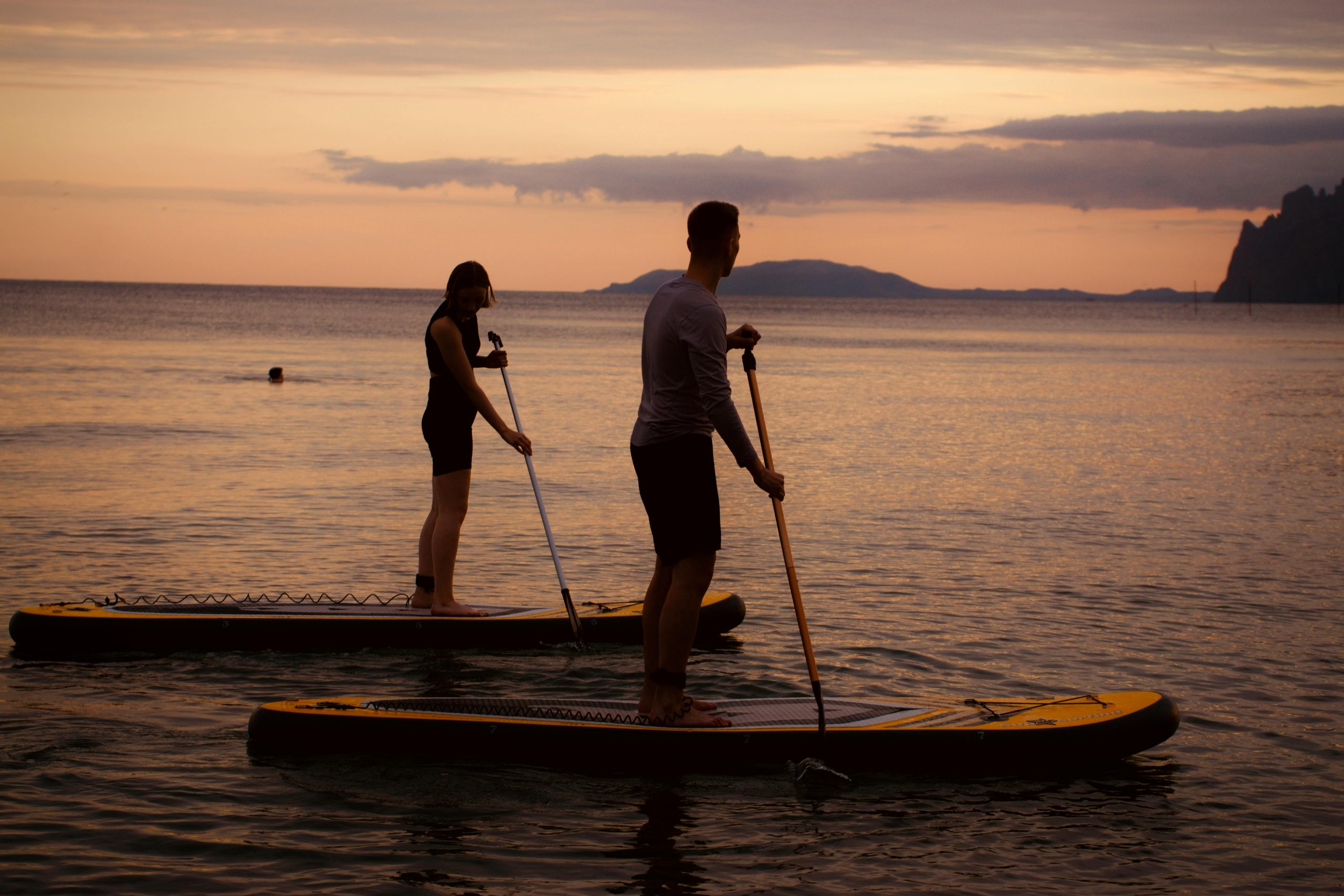
Once you’re standing and holding your paddle correctly, focus on these basic techniques:
- Forward Stroke: Move your board straight by paddling alternately on each side.
- Reverse Stroke: Push water backward to slow down or move backward.
- Turning: Use a sweep stroke in a wide arc to pivot the board.
- Stopping: Pull the paddle out of the water quickly and plant it in front of you.
Practicing these movements in calm water first makes navigating lakes or bays much easier.
How Can You Improve Balance on the Board?
Balance is one of the main challenges for beginners. Try these tips:
- Keep your knees slightly bent and relaxed.
- Distribute your weight evenly over both feet.
- Focus on a fixed point on the horizon.
- Engage your core muscles to stabilize your body.
- Practice on your knees first if standing feels too unstable.
Balance improves with time, so don’t get discouraged by falls.
What Are Safety Tips Every Beginner Should Know?
Safety is crucial on the water. Remember these points:
- Check the weather and water conditions before heading out.
- Wear a PFD and a leash at all times.
- Stay hydrated and bring water if you plan a long session.
- Avoid strong currents or rough waters until you gain confidence.
- Let someone know where you’ll be paddling.
How to Paddle Board in Different Water Conditions
Each type of water requires slight adjustments:
- Lakes: Calm and flat water makes lakes ideal for beginners. Focus on practicing balance, basic strokes, and building confidence without worrying about waves or currents.
- Rivers: Pay attention to currents, bends, and obstacles. Start on slow-moving sections and gradually progress to slightly faster water as your skills improve.
- Ocean: Learn to read waves, tides, and wind patterns. Always use a leash, consider wearing a wetsuit for cold water, and start in small, manageable surf before tackling bigger waves.
How to Fall and Get Back on the Board Safely
Falling is normal. Here’s how to handle it:
- Relax and fall away from the board to avoid injury. Falling gently into the water reduces the risk of injury. Try to fall to the side rather than forward or backward onto the board.
- Keep a grip on your paddle to avoid losing it in the water, making it easier to get back on the board quickly.
- Swim to the side of the board rather than the front or back; this provides more stability when climbing back on.
- Use your legs to kick while pulling yourself up with your arms. Once on the board, reposition your feet and stand carefully.
Knowing how to fall safely builds confidence and reduces fear.
How to Increase Endurance and Strength on the Board
Paddle boarding is great exercise. Beginners can focus on:
- Core Strength: Engage abs while paddling.
- Leg Strength: Stand with knees slightly bent for longer periods.
- Cardio: Paddle continuously to raise your heart rate.
- Balance Training: Try kneeling or one-leg exercises for stability.
Regular practice improves both skill and fitness over time.
How Often Should Beginners Practice Paddle Boarding?
Consistency helps beginners progress quickly:
- Start with 20–30 minutes sessions, 2–3 times per week.
- Gradually increase duration as your confidence grows.
- Mix calm water sessions with slightly challenging conditions.
- Track progress with short goals, like paddling to a buoy or exploring a cove.
How to Maintain and Store Your Paddle Board
Proper care extends the life of your board:
- Rinse with fresh water after every use, especially in saltwater.
- Store upright or on padded racks away from direct sunlight.
- Check for leaks or dings on inflatable boards regularly.
- Avoid dragging the board on rough surfaces.
How to Make Paddle Boarding More Fun
Once you’re comfortable, add variety to your sessions:
- Paddle to scenic spots for photography or picnics.
- Try SUP yoga for balance and mindfulness.
- Join local SUP groups for social paddling.
- Add challenges like races or obstacle courses.
Common Beginner Mistakes to Avoid
Knowing what not to do can save frustration:
- Leaning too far forward or looking down
- Using only arms instead of core for paddling
- Ignoring weather or water conditions
- Forgetting safety gear
- Rushing progression instead of practicing basic skills
Avoiding these mistakes helps beginners feel successful faster.
How to Find the Best Locations for Paddle Boarding
Start with beginner-friendly areas:
- Calm lakes or protected bays
- Slow-moving rivers without obstacles
- Resorts or rental shops that offer beginner lessons
- Avoid crowded areas or sections with strong waves
Exploring different locations keeps your practice engaging.
How to Progress from Beginner to Intermediate
After mastering the basics:
- Try longer sessions to improve endurance.
- Experiment with different paddle strokes for speed and control.
- Learn to navigate small waves or currents.
- Try SUP yoga or fitness challenges to enhance balance and strength.
- Consider lessons or workshops to refine technique.
With practice, you’ll feel more confident and ready for new adventures.
Wrapping It Up
Learning how to paddle board is about patience, practice, and enjoying the journey. Start with the right gear, practice balance and strokes in calm water, prioritize safety, and gradually challenge yourself. Paddle boarding is not only a fun recreational activity but also a fantastic full-body workout and a way to connect with nature.
The more time you spend on the board, the more confident and skilled you’ll become. Soon enough, what started as a beginner’s adventure will become a rewarding lifelong activity.