Technology is reshaping nearly every aspect of modern life, influencing industries that range from large-scale manufacturing to the way people interact with their homes. Advances in digital infrastructure, engineering, automation, and environmental technology are helping organizations operate more efficiently while improving safety, productivity, and convenience. At the same time, consumers expect smarter products, connected services, and seamless digital experiences that integrate technology into everyday routines.
Across sectors such as industrial production, digital services, home improvement, and recreational technology, innovation is driving transformation. Businesses are discovering new ways to streamline operations, protect sensitive data, and enhance customer experiences. Whether it involves protecting networks through cybersecurity services, improving industrial safety with an intrinsically safe barrier, or simplifying daily life through a home automation service, technological progress is influencing how industries evolve.
Below is a closer look at how technology is transforming industries from manufacturing environments to modern smart homes.
The Growing Importance of Digital Protection
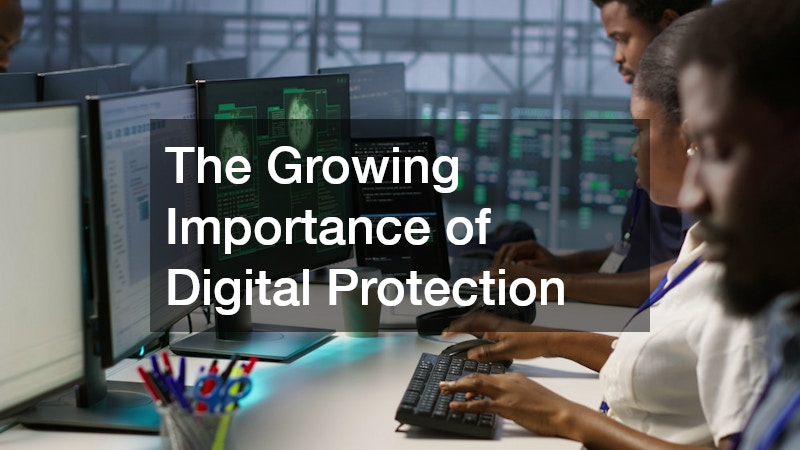
As organizations rely increasingly on digital systems to manage data, operations, and communications, security has become a top priority. Businesses handle vast amounts of sensitive information, including customer records, financial data, intellectual property, and operational details. Without strong protection measures, this information can become vulnerable to cyberattacks.
Cybersecurity services play a crucial role in protecting digital infrastructure. These services typically include network monitoring, threat detection, system vulnerability assessments, and incident response planning. Advanced security tools can identify suspicious activity, prevent unauthorized access, and respond quickly to potential threats.
Industries such as finance, healthcare, government, and manufacturing all rely heavily on digital systems to operate effectively. Manufacturing facilities, for example, often use automated machinery and connected monitoring systems to manage production lines. A cyberattack targeting these systems could disrupt operations and cause significant financial losses.
Implementing cybersecurity services allows organizations to protect critical assets while maintaining business continuity. As technology continues to evolve, the need for comprehensive digital security strategies will only become more important.
Developing a Skilled Workforce for Emerging Technologies
While technology provides powerful tools, it also requires skilled professionals to implement, maintain, and improve these systems. Many organizations struggle to find individuals with the specialized technical expertise needed to manage advanced technologies.
Talent engineering has emerged as a strategic approach to addressing this challenge. Rather than focusing solely on recruitment, this concept emphasizes designing structured systems for identifying, training, and retaining highly skilled professionals.
Organizations that adopt talent engineering strategies often use data-driven workforce planning, targeted training programs, and advanced recruitment platforms to build stronger teams. This approach allows companies to identify skill gaps and develop programs that help employees acquire new capabilities.
Industries that rely on complex technologies, such as engineering, manufacturing, cybersecurity, and software development, particularly benefit from talent engineering initiatives. By investing in workforce development, businesses ensure that they have the expertise necessary to support ongoing innovation and growth.
Maintaining Safety in High-Risk Industrial Environments
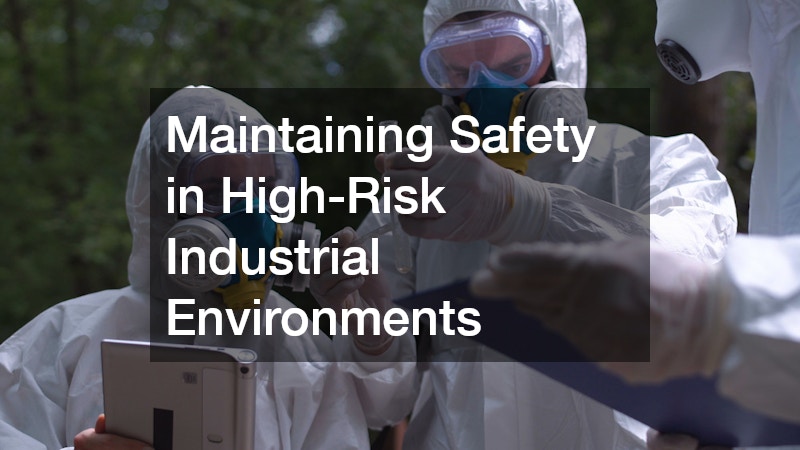
Industrial environments often involve hazardous materials, heavy machinery, and potentially dangerous working conditions. Ensuring worker safety while maintaining efficient operations is a major priority for companies operating in these environments.
One critical component of industrial safety is the intrinsically safe barrier. This device helps prevent sparks or excessive heat from reaching areas where flammable gases or combustible materials may be present. By limiting electrical energy entering hazardous zones, the barrier reduces the risk of explosions and equipment failures.
Industries such as oil and gas, chemical processing, mining, and energy production frequently rely on intrinsically safe barrier systems to protect equipment and personnel. These systems allow facilities to use electronic monitoring devices while maintaining strict safety standards.
Technological improvements in industrial safety equipment have made it possible for companies to maintain high productivity levels without compromising worker protection. As safety regulations continue to evolve, advanced safety technologies will remain essential in industrial environments.
Enhancing Production Through Advanced Filtration Systems
Manufacturing processes often require extremely precise control over materials and chemical compositions. Even small contaminants can interfere with production or damage sensitive equipment. To maintain quality and efficiency, many facilities rely on advanced purification technologies.
Purification technologies are designed to remove impurities from liquids, gases, and chemical mixtures. These systems are used in industries such as pharmaceuticals, food processing, energy production, and chemical manufacturing.
By filtering contaminants and maintaining precise chemical balances, purification technologies help ensure that products meet strict quality standards. They also protect equipment from damage caused by unwanted particles or chemical reactions.
In addition to improving production efficiency, purification technologies can support environmental sustainability. Many modern filtration systems are designed to reduce emissions and minimize waste, helping companies meet environmental regulations while maintaining productivity.
Improving Indoor Safety in Residential Properties
Technological innovation has also improved safety and health within residential environments. One environmental hazard that homeowners increasingly recognize is radon gas, which can accumulate in homes and buildings without noticeable warning signs.
Radon is a naturally occurring radioactive gas that forms from the breakdown of uranium in soil and rock. When it enters buildings through cracks in foundations or walls, it can accumulate in enclosed spaces. Long-term exposure to elevated radon levels has been linked to serious health risks.
A professional radon testing service uses specialized monitoring equipment to measure radon concentrations within a home or building. If elevated levels are detected, mitigation systems can be installed to redirect radon gas away from the structure.
As awareness of environmental health risks grows, more homeowners are turning to radon testing service providers to evaluate indoor air quality. Modern testing technologies allow professionals to detect radon levels quickly and accurately, helping families maintain safer living environments.
Keeping Industrial Equipment Running Efficiently
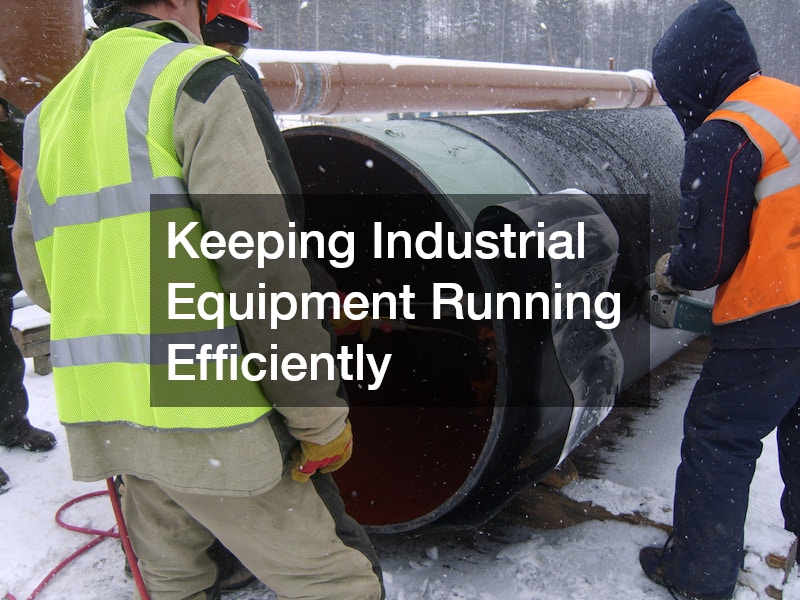
Heavy machinery plays a critical role in industries such as construction, agriculture, manufacturing, and transportation. Many of these machines rely on hydraulic systems to generate power and control movement. Over time, however, hydraulic components can wear down or develop leaks that affect performance.
Hydraulic repair is essential for maintaining the reliability of these systems. Technicians inspect pumps, hoses, valves, and cylinders to identify damaged components and restore proper functionality.
Preventive maintenance programs often include regular inspections and hydraulic repair services to address minor issues before they develop into major equipment failures. By maintaining hydraulic systems, businesses can reduce downtime and extend the lifespan of their machinery.
Efficient equipment maintenance not only improves productivity but also enhances worker safety by preventing unexpected mechanical failures. For industries that rely heavily on heavy equipment, professional hydraulic repair services are an essential part of operations.
Technology Expanding Recreational Experiences
Innovation in engineering and battery technology has also created new possibilities in recreational equipment. One emerging trend is the rise of electric hydrofoil surfboards, which allow riders to glide above the surface of the water.
These boards rely on advanced efoil gear that includes powerful electric motors, high-capacity batteries, and hydrodynamic foil structures. The foil beneath the board lifts it above the water’s surface once sufficient speed is reached, creating a smooth and quiet riding experience.
Advancements in efoil gear have made these devices lighter, more efficient, and easier to control. Wireless handheld remotes allow riders to adjust speed and maintain balance while riding.
As technology continues to evolve, recreational products like electric hydrofoil boards demonstrate how engineering innovation can enhance leisure activities and introduce entirely new experiences.
The Role of Modern Website Design in Business Growth
In the digital age, businesses rely heavily on their online presence to attract customers and communicate their services. A company’s website often serves as the first point of contact between the business and potential clients.
Responsive web design ensures that websites display properly across different devices and screen sizes. Whether a visitor accesses a site from a smartphone, tablet, or desktop computer, responsive web design automatically adjusts layouts and content for optimal viewing.
This design approach improves user experience by making websites easier to navigate and faster to load. It also helps businesses maintain strong search engine visibility, as search platforms prioritize mobile-friendly websites.
Companies that invest in responsive web design are better positioned to reach modern consumers who rely on mobile devices to research products and services. As digital marketing continues to evolve, user-friendly website design will remain a critical factor in business success.
Managing Airflow in Industrial and Commercial Facilities
Proper ventilation is essential for maintaining safe and efficient operations in large industrial and commercial buildings. Facilities such as factories, warehouses, and power plants require systems that regulate airflow, remove contaminants, and maintain comfortable working conditions.
Industrial dampers are key components of these ventilation systems. These devices control the flow of air within ducts and ventilation channels, allowing facility operators to direct airflow where it is needed most.
By adjusting industrial dampers, facilities can maintain consistent temperature levels, manage air pressure, and improve indoor air quality. Automated systems often monitor environmental conditions and adjust damper settings in real time to maintain optimal airflow.
These technologies not only enhance comfort and safety but also improve energy efficiency. By directing airflow more precisely, facilities can reduce unnecessary energy consumption and lower operating costs.
The Rise of Smart Homes and Connected Living
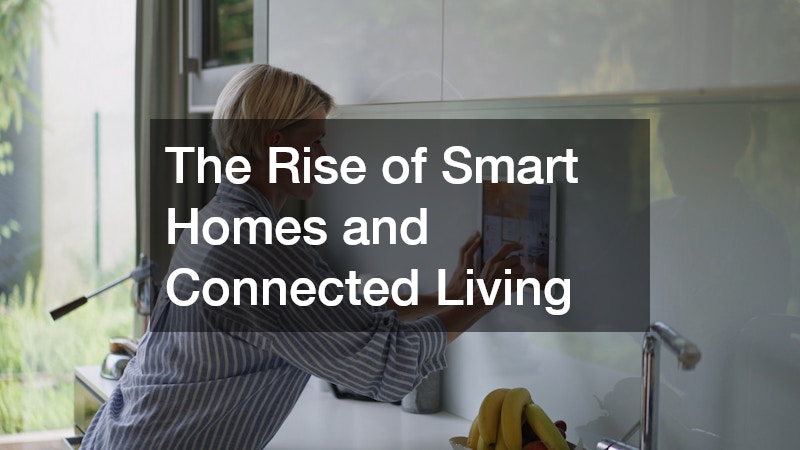
One of the most visible examples of technological transformation can be found in residential environments. Smart home technology has introduced new ways for homeowners to control lighting, temperature, security systems, and appliances.
A professional home automation service helps homeowners design and install systems that connect these devices through centralized platforms. These systems allow users to control multiple functions through mobile apps, voice assistants, or automated schedules.
Smart home systems can include automated lighting, climate control systems, security cameras, door locks, and entertainment systems. For example, a homeowner might program lights to turn on at sunset or adjust thermostat settings automatically when the home is unoccupied.
By working with a home automation service, homeowners can integrate advanced technologies in a way that ensures reliability and ease of use. These services simplify installation and ensure that all devices communicate effectively within the network.
Improving Energy Efficiency Through Technology
Another significant impact of technological innovation is the improvement of energy efficiency across industries. Businesses and homeowners alike are seeking solutions that reduce energy consumption while maintaining high levels of performance.
Industrial facilities are adopting smart monitoring systems that track energy usage across equipment and ventilation systems. These systems allow operators to identify inefficiencies and make adjustments that reduce energy waste. In many cases, advanced analytics and real-time dashboards provide facility managers with detailed insights into how machinery and building systems perform throughout the day. By analyzing these patterns, companies can schedule equipment more efficiently, reduce idle energy use, and prevent costly system failures before they occur.
Smart homes also benefit from energy-efficient technologies. Automated thermostats, LED lighting systems, and energy monitoring devices help homeowners understand and manage their energy consumption. Many of these systems integrate with mobile apps, giving users the ability to track usage trends, receive alerts, and make adjustments remotely. This level of control empowers homeowners to make informed decisions about their daily energy habits.
For example, automated climate systems can adjust temperature settings based on occupancy patterns, reducing unnecessary heating or cooling when no one is home. Over time, these improvements can significantly reduce utility costs. When combined with smart insulation materials and energy-efficient appliances, the overall savings can become even more substantial.
Energy-efficient technologies also support environmental sustainability by lowering carbon emissions and reducing resource consumption. As global attention on environmental responsibility continues to grow, energy-efficient innovations will become even more important for both economic and environmental progress.
The Future of Technology Across Industries
Technology is continuously reshaping industries, creating new opportunities for businesses and improving everyday life for consumers. From advanced manufacturing systems to connected home environments, innovation is driving efficiency, safety, and convenience.
Businesses that embrace technological advancements are better positioned to remain competitive in a rapidly evolving marketplace. By investing in digital security, workforce development, and advanced engineering solutions, organizations can build resilient systems capable of adapting to future challenges.
At the same time, consumers are benefiting from technologies that enhance comfort, improve safety, and expand recreational possibilities. Whether through improved air quality monitoring, innovative water sports equipment, or intelligent home systems, modern technology continues to transform how people live and work.
As technological progress accelerates, industries will continue to adopt new tools that redefine productivity and connectivity. From cybersecurity services protecting digital infrastructure to purification technologies improving industrial processes and a home automation service enhancing residential living, the influence of technology will continue to shape the future of both industry and daily life.