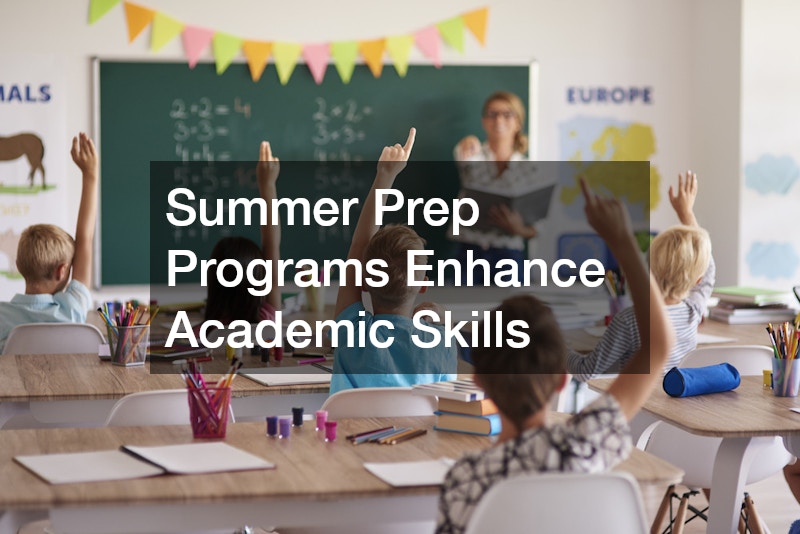

As educational landscapes evolve, summer prep programs have surged in popularity, becoming essential components of student development strategies. These programs provide unique opportunities for students to enhance their academic performance, explore potential career interests, and cultivate social skills. This article will delve into the various benefits of summer prep programs, exploring how they are not only reshaping educational experiences but also contributing to students’ future successes.
1. How Do Summer Prep Programs Enhance Academic Skills?
Summer prep programs are specifically designed to bolster academic skills that are critical for student success. They offer a concentrated curriculum focusing on core subjects like mathematics, science, and language arts, providing students a competitive edge. For instance, students who participated in math-focused summer camps frequently report improved grades in the following school year as they come back with enhanced problem-solving skills. Additionally, these programs often include personalized feedback from educators, which can help identify and address individual student needs more effectively. This tailored academic enrichment builds a solid foundation, which is invaluable for future educational endeavors.
Moreover, many summer prep programs incorporate innovative teaching methodologies that engage students through practical application of knowledge. Active learning environments, such as those that involve group projects or simulated experiments, encourage students to apply theoretical knowledge in real-world contexts. This not only solidifies their understanding but also improves critical thinking and creativity. For example, a summer program focused on environmental science might involve field studies or conservation projects, allowing students to experience the subject matter firsthand. These unique experiences often reignite a passion for learning, especially in subjects where students might previously have struggled.
Another significant aspect is the nurturing of self-directed learning habits. Summer prep programs often provide students with the autonomy to choose how they wish to engage with material, fostering independent learning skills. As students navigate through these programs, they learn to take responsibility for their own learning, an essential skill for both current school settings and future college environments. The freedom to explore topics beyond the standard curriculum also allows students to discover and develop niche interests, paving the way for academic specialization in later stages of their education. This empowerment through education prepares students not only academically but also mentally.
2. What Are the Social Benefits of Attending Summer Prep Programs?
Summer prep programs offer extensive social benefits by placing students in diverse environments outside their regular school settings. These settings are perfect for fostering new friendships and encouraging collaboration amongst peers from varied backgrounds. Working in groups towards common goals, such as project completion, helps students develop key social skills like communication, empathy, and teamwork. These interactions are crucial for personal growth and contribute to shaping a well-rounded social character. The friendships formed in such intensive environments often last beyond the program itself, creating networks that students can rely on in future endeavors.
Another distinct advantage of these programs is the development of leadership and interpersonal skills. Many summer prep programs are designed to build confidence through leadership workshops or activities that require students to take charge. Invariably, students find themselves in situations demanding decisiveness and collaboration, thus honing their leadership capabilities. This hands-on experience is invaluable for nurturing a sense of responsibility and initiative, qualities highly valued in both academic and professional contexts. Furthermore, participating in such programs often leads to increased self-esteem and a sense of accomplishment, as students see tangible results of their active participation and effort.
The cultural exposure and diversity within summer prep programs also play a pivotal role in social development. By interacting with peers from different cultural and socio-economic backgrounds, students develop a broader worldview and a deeper understanding of global diversity. This exposure is particularly beneficial in today’s interconnected world, where cross-cultural communication is increasingly important. These interactions teach students respect and tolerance, essential social virtues that enrich their character and help bridge cultural divides. Thus, summer prep programs not only prepare students for academic challenges but also equip them with the social tools for thriving in a multicultural world.
3. How Do Summer Prep Programs Prepare Students for College?
Preparation for college is one of the primary objectives of summer prep programs, and their design reflects this purpose. Students engage in rigorous academic activities that simulate college-level work, providing a preview of what to expect in higher education. This exposure helps demystify the college experience and reduces the anxiety associated with transition from high school to university. By immersing students in a simulated college environment, these programs give students confidence in their ability to manage college workloads. This early exposure is crucial in smoothing out the transition process, ensuring students are well-equipped to handle the challenges of college life.
In addition to academic preparation, summer prep programs offer valuable guidance in the college application process. Workshops and seminars often included in these programs cover crucial topics like writing personal statements, preparing for standardized tests, and understanding financial aid. Equipped with this knowledge, students can navigate the application process with greater confidence and competence. Furthermore, these programs often provide access to college admissions experts or counselors, who can offer personalized advice and feedback. This comprehensive support empowers students to make informed decisions about their higher education paths.
These programs also offer experiential learning opportunities that are increasingly considered by college admissions committees in assessing applicants. Internships, research projects, and community service incorporated into summer prep programs enhance students’ resumes and personal statements, showcasing a commitment to learning and a proactive approach to education. Such experiences demonstrate initiative and passion, traits that are highly regarded in college admissions evaluations. Therefore, summer prep programs do not merely prepare students academically but also shape comprehensive portfolios that enhance their college applications, potentially improving their chances of acceptance into desired institutions.
4. What Types of Summer Prep Programs Are Available?
The array of summer prep programs available caters to a broad range of interests and educational needs. Academic camps that focus on specific subjects like STEM, humanities, or arts are popular choices, allowing students to concentrate on areas where they wish to excel or further their understanding. For instance, a program centered on coding and computer science might appeal to tech-savvy students, providing hands-on experience in programming languages and software development. Conversely, a humanities-focused camp might engage students in critical analysis of literature and history, enriching their comprehension and appreciation for these fields. These targeted programs offer enrichment beyond the standard school curriculum.
Some programs are designed with a more holistic educational philosophy in mind, integrating academic, social, and personal development components. These programs might offer a blend of academic courses, creative workshops, and physical activities, thus catering to students looking for a more well-rounded experience. An example could be a program that combines morning classes in calculus and physics with afternoon sessions of theatre arts or leadership training. Such multifaceted programs encourage students to develop a balance of intellectual, creative, and athletic skills, ensuring comprehensive personal growth during the summer break.
Furthermore, specialized programs targeting specific transitional stages or goals are also available. These could range from programs helping middle school students prepare for high school to those specializing in college readiness or vocational skills. The specificity of these programs ensures that students receive tailored instruction and exposure relevant to their immediate educational needs. Whether a student desires a career in engineering or aims to enhance public speaking, there is likely a summer prep program designed to foster those ambitions. The diversity and specialization of these programs guarantee that every student can find an option suited to their unique goals and interests.
5. How Can Parents and Students Choose the Right Summer Prep Program?
Choosing the right summer prep program requires careful consideration of various factors to ensure alignment with a student’s aspirations and personality. Parents and students should start by identifying the specific goals they wish to achieve through the program, be it improving academic skills, exploring new interests, or gaining college credits. Understanding these goals allows families to narrow down their options to programs specifically designed to meet those objectives. Resources such as program brochures, online reviews, and feedback from past participants can provide valuable insights into the program’s effectiveness and suitability.
Another critical aspect to consider is the program’s structure and location, as these can significantly impact the student’s experience. Residential programs, where students stay on campus, offer a taste of independence and can be particularly beneficial for older students preparing for college life. However, day camps could be preferable for younger students or those who thrive better in familiar surroundings at the end of the day. Additionally, examining the program’s curriculum and daily schedule can ensure it matches the student’s needs, preferences, and capacity to adapt to new learning environments.
Parents and students should also weigh practical considerations such as cost and time commitment. While some programs may seem attractive, the financial and time investment must be feasible for the family. Researching scholarship opportunities or financial aid options offered by the program can alleviate some financial concerns. Furthermore, planning around school and personal schedules helps ensure that the student is fully committed and can gain the most from the experience. By taking the time to evaluate these factors, families can make informed decisions that will positively impact their educational and personal development.
In conclusion, summer prep programs offer a multifaceted array of benefits that contribute significantly to shaping students’ academic and personal growth. By enhancing academic skills, fostering social development, and preparing for college, these programs play a crucial role in a student’s educational journey. Most importantly, the right summer prep program can provide invaluable experiences, equipping students with the skills and confidence needed to succeed in future academic and career endeavors. Families should carefully consider the diverse options available to select a program that best fits their needs and goals, ensuring students can maximize the potential benefits of these enriching experiences.