
In recent years, robotic automation has seen tremendous advancements, pushing the boundaries of what machines can accomplish. From manufacturing assembly lines to intricate medical procedures, robots have become indispensable in numerous fields. This progress is largely driven by the integration of artificial intelligence and machine learning technologies, allowing robots to adapt and learn from their environments. As these technologies evolve, robots are becoming more autonomous, performing tasks that were once impossible or highly complex for them. The continuous enhancement in sensory technology further supports this trend, enabling robots to perceive and interpret their surroundings with higher accuracy.
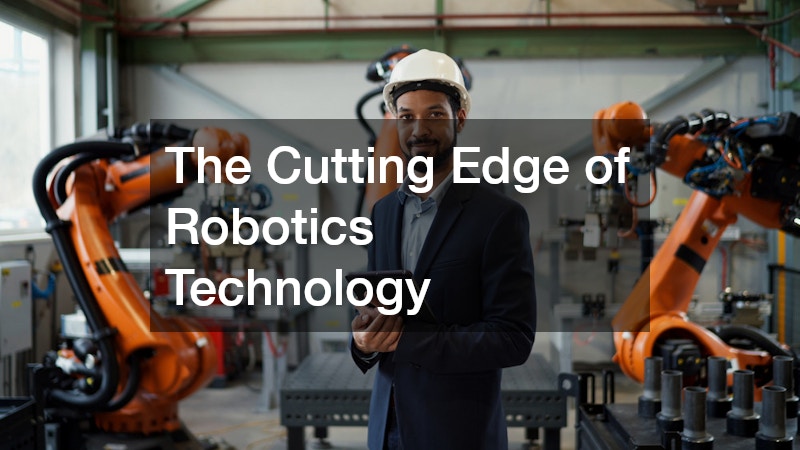
One significant development in robotic automation is the improvement of precision in industrial tasks. With the ability to handle delicate components and carry out intricate welding, robots are transforming the manufacturing industry. The adoption of these cutting-edge technologies not only increases efficiency but also enhances safety, reducing workplace accidents. With the addition of advanced sensors, robots can now navigate complex environments, avoiding obstacles and adjusting their actions in real-time. This adaptability is crucial, particularly in industries where flexibility and precision are paramount.
Furthermore, the implementation of collaborative robots, or cobots, represents a major leap in robotic automation. Unlike traditional robots, cobots are designed to work alongside humans, enhancing productivity while safeguarding human workers. These robots are equipped with sophisticated sensors and AI-driven algorithms, allowing them to interpret human gestures and work harmoniously in shared spaces. The integration of such technology not only boosts operational efficiency but also opens up new possibilities in fields like healthcare and logistics. By continuously learning and adapting, cobots embody the next phase of collaborative robotics, heralding a new era of human-robot interaction.
Innovations in Healthcare Robotics
Healthcare robotics is rapidly advancing, offering promising solutions to improve patient care and outcomes. Surgical robots, for instance, have become a cornerstone in modern medical practices, providing cutting edge precision and control during operations. By utilizing cutting-edge robotic technology, surgeons can perform minimally invasive procedures with enhanced accuracy, reduced recovery times, and lower risk of complications. The application of robotics in surgery not only benefits patients but also empowers medical professionals by augmenting their capabilities. As technology evolves, the integration of AI and robotics continues to refine surgical methods, paving the way for more sophisticated medical interventions.
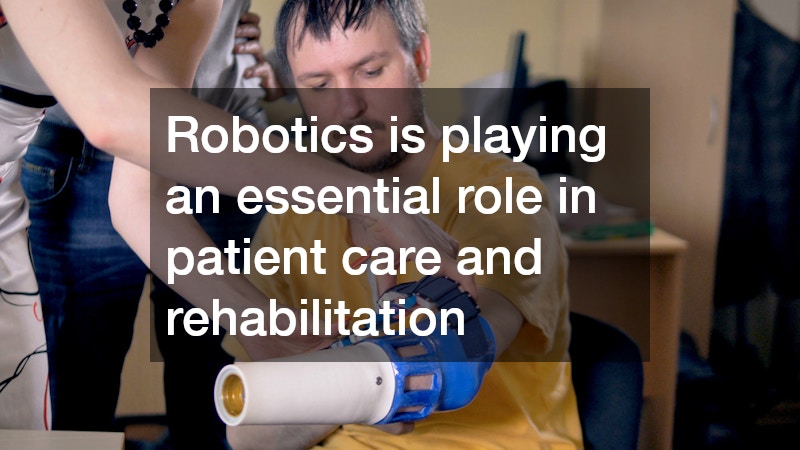
Aside from surgical applications, robotics is playing an essential role in patient care and rehabilitation. Robot-assisted therapy devices are designed to aid in physical rehabilitation, offering personalized training sessions that cater to individual patient needs. These devices can adapt to the progress and limitations of patients, ensuring optimal recovery trajectories. Moreover, humanoid robots are being developed to assist in elder care, providing companionship and monitoring vital signs. Such innovations not only enhance patients’ quality of life but also help alleviate the workload on healthcare professionals, allowing them to focus on more critical tasks.
The integration of robotics in healthcare extends beyond patient interaction to include logistics and hospital operations. Automated systems for transporting medications and medical supplies increase efficiency and mitigate human error. These cutting-edge innovations optimize resource management and streamline operational workflows within hospitals. Furthermore, as AI-enhanced diagnostic tools become more prevalent, the synergy between robotics and healthcare takes on new dimensions. Robotics is undoubtedly revolutionizing the healthcare sector, making it an exciting frontier for technological advancements and improving patient outcomes.
Robotics in Transportation and Logistics
The transportation and logistics industries are undergoing transformative changes driven by advancements in robotics technology. Drones, for instance, are being deployed for last-mile delivery, providing faster service and reducing carbon emissions compared to traditional delivery methods. These flying robots are becoming increasingly capable, navigating through complex urban environments with precision. By harnessing cutting-edge technologies, companies can enhance efficiency, reduce costs, and meet growing consumer demands. Drones are poised to reshape the landscape of delivery services, setting new benchmarks for speed and sustainability.
Autonomous vehicles represent another significant development in the transportation sector. The advent of self-driving cars and trucks has the potential to revolutionize how goods and people are moved across cities and countries. Equipped with an array of sensors, cameras, and AI-driven systems, these vehicles promise to reduce human error, enhance safety, and optimize fuel efficiency. Although challenges remain, such as regulatory concerns and public acceptance, the progress made in recent years is substantial. Autonomous transportation is gradually becoming a reality, highlighting the remarkable potential of robotics in reshaping our mobility infrastructure.
In the realm of logistics, robotic automation is driving innovation in warehouses and distribution centers. The use of autonomous mobile robots (AMRs) simplifies tasks such as sorting, packing, and inventory management. These robots work alongside human operators, enhancing productivity while maintaining high levels of accuracy. By automating repetitive and mundane tasks, AMRs allow human workers to focus on more strategic activities, improving overall operational efficiency. As the robotics field progresses, we can expect these cutting-edge solutions to play an increasingly pivotal role in the global supply chain, optimizing operations across industries.